 The Loon
 Manual therapy
45, 60 or 90 minutesOne rate whichever hands-on approach we use. Prices below are plus tax.
What you book is a starting point, not a script. I assess first, then choose — fascial stretch therapy when something needs to move, craniosacral work when a system needs to settle, osteopathic technique when what’s driving the problem sits somewhere other than where you feel it. Often a session draws on more than one. And as your body adjusts and finds its own normal, so does the treatment.
What you can book
Fascial stretch therapy 45, 60 or 90 minutes
$100 / $130 / $195- What happens
- Assisted, multi-planar stretching with gentle joint traction — I move you through range rather than you holding a stretch yourself, working the fascia and the joint together.
- Best for
- Stiffness and restricted range, training that has stopped progressing, or one area that won’t let go. The 45 for a single region, the 60 for most people, the 90 when there’s a lot to work through.
Osteopathic manual therapy 60 or 90 minutes
$130 / $195- What happens
- Assessment first — how you move, where things are holding, what’s compensating for what. Technique is chosen from there: joint mobilisation, release through connective tissue, or very light contact that gives the nervous system room to settle.
- Best for
- Pain that keeps coming back, something that hasn’t responded to treatment aimed at the sore spot, or a problem you suspect starts somewhere other than where you feel it.
I’m in my fourth year of osteopathy studies — a student, not a licensed osteopath. You’ll be asked to confirm you understand that when you book.
Not sure which to pick? Book fascial stretch therapy at 60 minutes. It suits most first visits, and once I’ve assessed you we can change direction, or change the length, from there. Every session is done fully clothed, on the table, in the home studio in Touraine.
Three hands-on approaches
Fascial stretch therapy
- What it is
- Hands-on, table-based assisted stretching that works with your connective tissue and joints rather than forcing them into position. It’s gentle, you stay clothed, and it’s often the piece that finally lets something move.
- What makes it different
- It isn’t static stretching and it isn’t massage. Instead of holding one position, we work through movement — at the joint, and through the fascia around it. That’s usually why it reaches things stretching on your own hasn’t.
- What to expect
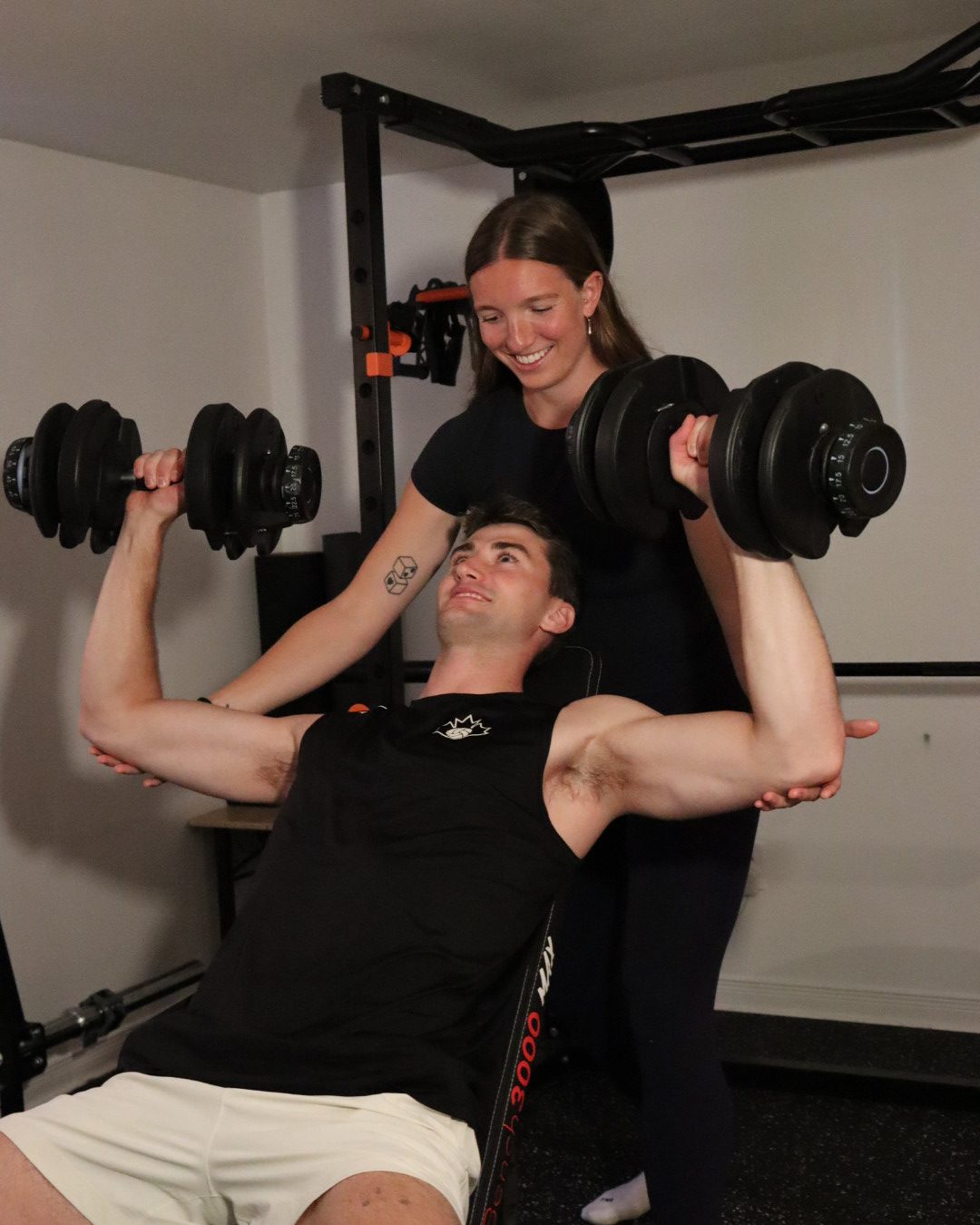
- You’re on the table and fully clothed — leggings or shorts and a t-shirt are ideal, something you can be moved around in. Soft straps hold one part of you steady while I take another through its range, so you can stay relaxed instead of holding yourself in place. The movements are slow and rhythmic, and none of it should hurt.
- Who it’s for
- Hips and shoulders that haven’t answered to stretching on your own. Restrictions you’ve stopped noticing until they cost you something. It’s commonly used for chronic joint and muscle pain, for building flexibility and range of motion, for working on posture, and for recovering faster between hard sessions — though how much changes, and how quickly, depends on the person.
Fascia is the connective tissue that wraps and links your muscles, joints, nerves and organs — one continuous web rather than a set of separate parts. When it loses its glide in one place, what you feel is often somewhere else.
Osteopathic manual therapy — current study
- What it is
- Manual assessment and technique, visceral work, and whole-body systems thinking — how a restriction in one area quietly shows up somewhere else entirely. I’m a student, not an osteopath, and I’d rather say that plainly.
- May help with
- This work isn’t only musculoskeletal. Visceral technique addresses the mobility of your organs and the connective tissue holding them, so a session can take in things that don’t feel like a muscle problem at all — digestion, breathing, or an ache in your back that doesn’t come from your back.
- Who it’s for
- Anyone curious about a whole-body approach, and comfortable being part of a student’s practice.
None of this replaces medical care. If something is new, severe, or worrying you, please have it looked at properly — and I’ll say so if I think that’s what you need.
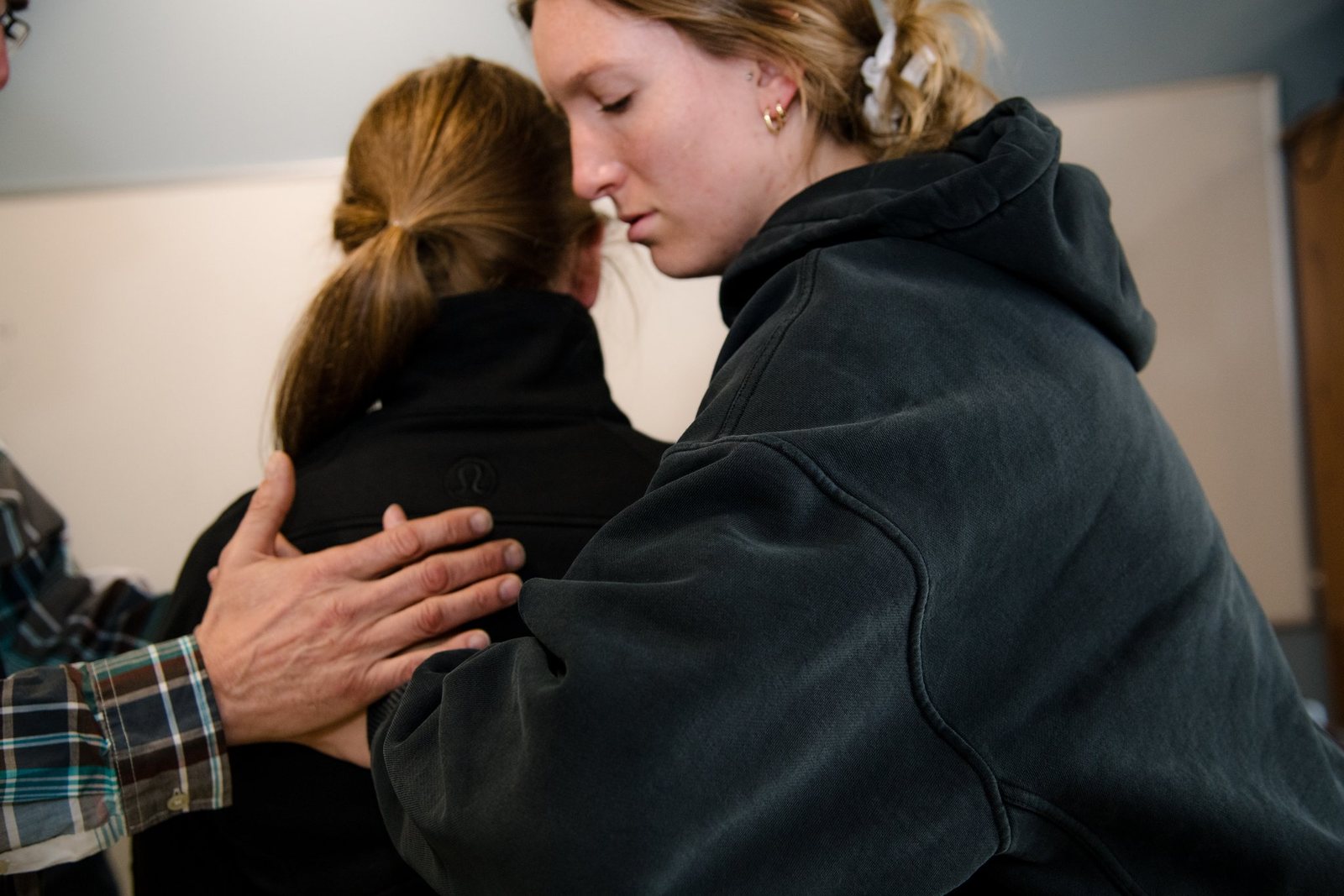
Craniosacral therapy
Part of the osteopathic work, and bookable on its own — 60 minutes, $130. Choose it from the options under osteopathic manual therapy when you book.
- What it is
- Light, precise hands-on work with the membranes and fluid surrounding the brain and spinal cord. The contact is gentle and highly intentional — following what the tissue is actually doing and giving the nervous system the conditions to release patterns it’s been holding onto, sometimes for years.
- What to expect
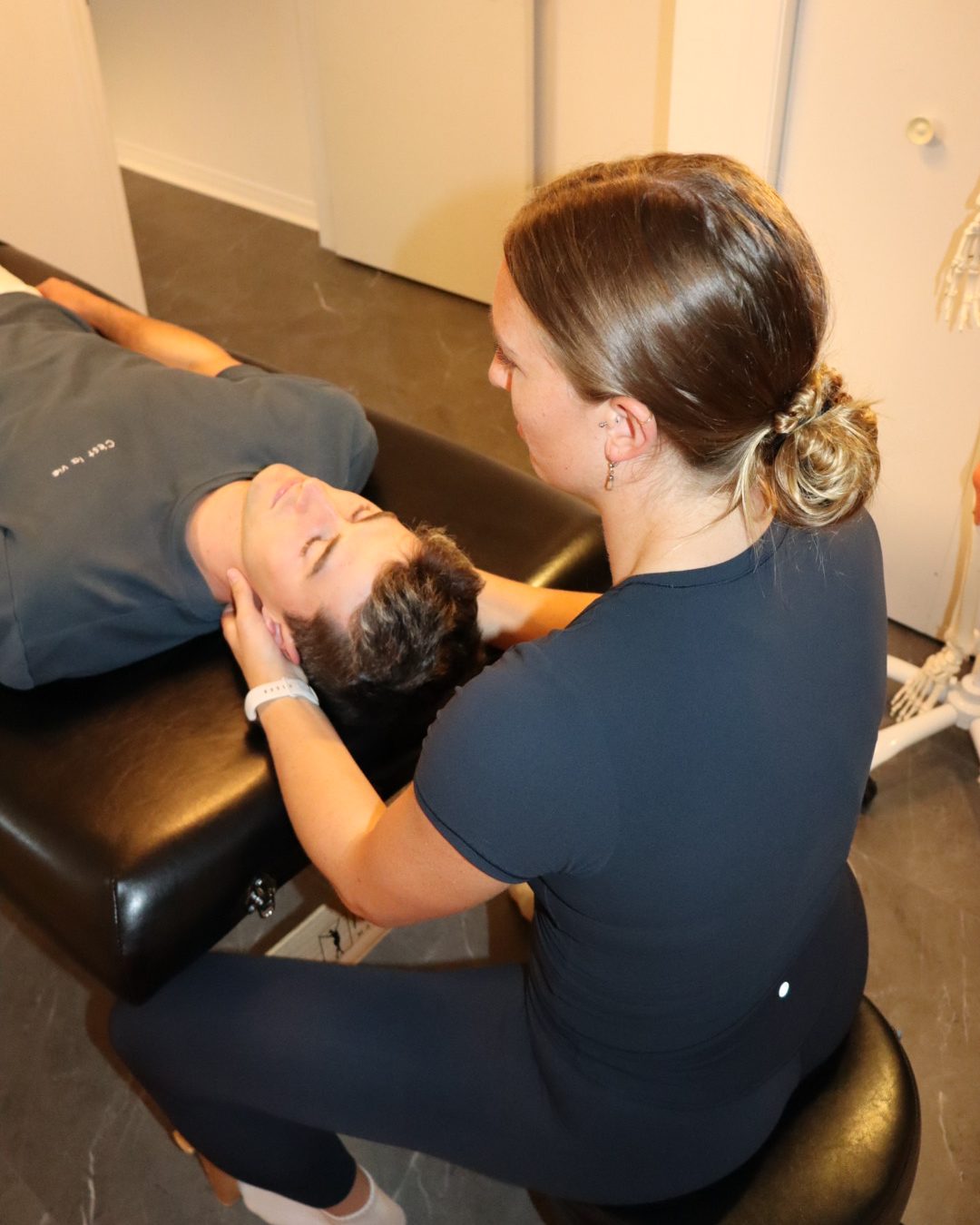
- You stay clothed and lie on the table. I work with light contact at your head, spine and pelvis, following what your system is already doing rather than pushing it anywhere. Sessions are quiet — plenty of people fall asleep.
- May help with
- People often come to this work with headaches, jaw tension, a head that feels foggy and overloaded, or a system that won’t settle — alongside stress, held tension, neck and back tightness, and broken sleep. How much it helps, and how quickly, varies a lot from person to person.
It’s a subtle approach — some people love it, others want more. If you’re after the feeling of being stretched or worked on, book fascial stretch therapy instead.